
Household safety
Pet-safe houseplants for homes with cats and dogs
"Pet-safe" should mean source-checked, not guessed from a plant shop label. Start with plants listed as non-toxic to cats and dogs, avoid known high-risk plants, and place every plant as if curiosity exists.
Sources include ASPCA toxic and non-toxic plant listings for common houseplants and high-risk examples.
At a glance
Safer starts and hard avoids
ASPCA-listed non-toxic houseplants
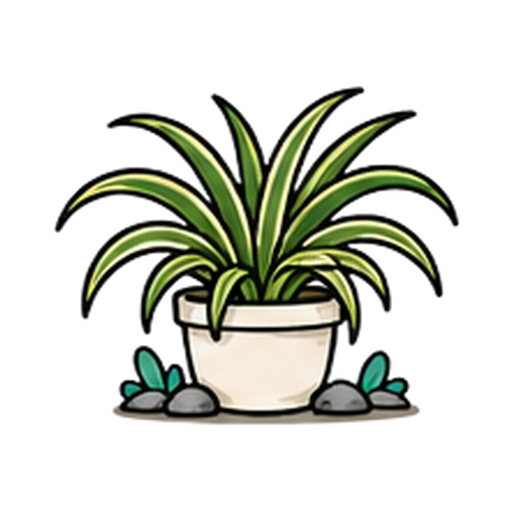
The ASPCA lists spider plant, Boston fern, parlor palm, and African violet as non-toxic to dogs and cats. Those are good starting points for a pet-aware plant shelf because they are common, attractive, and easier to verify than vague plant-shop labels.
Still, check the exact plant before buying. Common names can overlap, and nursery tags are sometimes imprecise. If the plant matters enough to bring into a pet household, it matters enough to record the scientific name.
Plants to avoid or treat as high-risk
ASPCA lists true lilies, Lilium species, as toxic to cats, with kidney failure as a clinical sign. Sago palm is listed as toxic to dogs, cats, and horses, with severe signs including liver damage, liver failure, and death. Golden pothos is toxic to dogs and cats because of insoluble calcium oxalates and may cause mouth irritation, drooling, vomiting, and difficulty swallowing.
This is why "out of reach" is not always enough. Some plants are better left out of the home entirely when a pet is curious, agile, bored, or known to chew.
Placement habits matter
Safer plant choices are only one layer. Put plants where pets cannot knock them down, dig in the soil, chew leaves, or drink drainage water. Be extra careful with kittens, puppies, newly adopted pets, and any pet whose behaviour you do not know yet.
Watch the whole setup: fertilizer spikes, soil toppings, plant tags, glass cachepots, dangling vines, and dropped leaves can all become more interesting than the plant itself.
What to do if a pet chews a plant
Remove the pet from the plant, save the plant name or a photo, and call your veterinarian or a poison-control service. ASPCA toxic plant pages advise contacting ASPCA Poison Control or a local veterinarian as soon as possible if ingestion of a potentially toxic substance is suspected.
Do not wait for severe symptoms if the plant is known to be toxic. The most useful information is the plant identity, how much may have been eaten, when it happened, and what symptoms you see.
How Tendlet helps
Tendlet lets you keep plant names, rooms, care notes, pet access notes, vet contacts, and safety reminders in one shared household place. That makes it easier to answer the important question quickly: what plant was this, and what should we do next?